
Tip & Trick
Did you know your keyboard hides productivity-boosting symbols starting with 'A'? These often-overlooked shortcuts can transform your workflow in Windows, macOS, and productivity apps—from advanced text formatting to hidden system commands.
Alt Code Access Symbols Using Numeric Keypad
Tired of digging through endless symbol menus just to insert a copyright symbol (©) or Euro sign (€)? Windows’ Alt code trick lets you type special characters in seconds using your numeric keypad—no extra tools needed.
Simply hold Alt, type the numeric code (e.g., 0169 for © or 0164 for €), then release Alt. This works for hundreds of symbols, including ® (0174), ™ (0153), and even ° (0176). It’s a lifesaver for legal docs, invoices, or multilingual projects where precision matters.
Perfect for freelancers, students, and office workers who need quick formatting—no more switching apps or memorizing obscure shortcuts. ⚡
Arrow Keys for Text Navigation Shortcuts

Tired of wasting time clicking your mouse to navigate through long documents or code files? The arrow keys—especially when combined with modifiers—are your secret weapon for lightning-fast cursor movement. Developers and data entry pros swear by these shortcuts to edit efficiently without lifting their hands from the keyboard.
Start with Ctrl + Arrow Keys to jump between words (Windows/Linux) or paragraphs (macOS). Add Shift to select text while moving, or use Home/End to instantly navigate to line beginnings/ends. In VS Code or Excel, these shortcuts become even more powerful—hold Alt + Arrow Keys to move between cells or code blocks without manual scrolling.
Perfect for anyone editing spreadsheets, debugging code, or filling out lengthy forms. Master these, and you’ll cut navigation time by 30% or more—no mouse required! 💻
Auto-Correct Override with Apostrophe Trick
Frustrated when autocorrect turns "to" into "to" mid-sentence? There’s a zero-effort fix—just type an apostrophe first before the word. This bypasses autocorrect entirely, saving writers and programmers from syntax errors or awkward phrasing.
The trick works because autocorrect engines typically ignore words prefixed with punctuation. For example, type 'to' (with the apostrophe) instead of to, then backspace to remove it. This is especially useful for code comments (e.g., '//
Accent Marks for International Characters
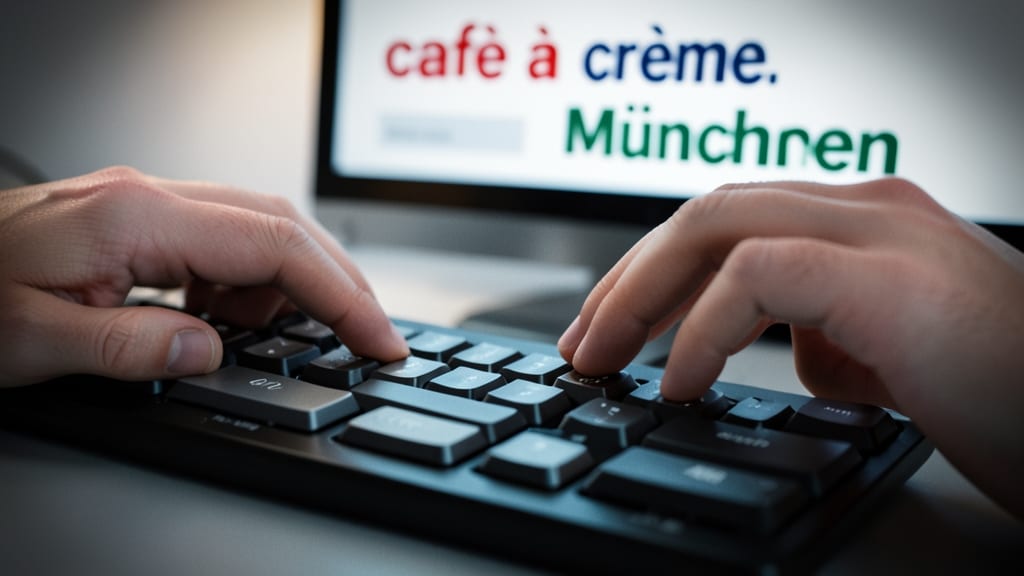
Struggling to type accents for languages like Spanish, French, or German? Your keyboard already has a zero-config shortcut built in—no extra software needed. On macOS, simply press the grave accent key (`) followed by a letter (e.g., `e = é, `n = ñ), while Windows users can type Alt + 0233 for é or Alt + 0241 for ñ.
This trick works for 10+ accented characters, including á, è, ü, and ç. It’s a lifesaver for language learners, multilingual professionals, or anyone drafting international documents. No more digging through symbol menus or installing keyboard layouts—just type and go.
Perfect for students, translators, or travelers who need to switch between languages seamlessly. Try it now—your keyboard’s got you covered. ✨
Alt Tab for Multi-Tasking Efficiency
Tired of clicking through taskbars to switch apps? The Alt + Tab shortcut is your new best friend—it cycles through open windows instantly, with a live preview of each. Add Shift to reverse the order, making it a two-way street for power users juggling multiple programs.
This zero-config feature works across Windows, macOS, and Linux, and even supports virtual desktops in some setups. For developers testing apps or designers flipping between mockups and code, it cuts context-switching time by half. No extensions or tweaks needed—just press and go.
Ideal for anyone managing five or more apps daily, from students to sysadmins. Master this, and you’ll wonder how you ever lived without it. ⚡
Angle Brackets for HTML and Code
Tired of manually typing < and > every time you write code? Most keyboards actually have a hidden shortcut: Shift + 6 (for <) and Shift + 7 (for >) on the top row of numbers. This tiny trick saves seconds per line when building HTML, XML, or even JSON—no more hunting for symbols in character maps.
For macOS users, the shortcuts are slightly different: Option + 8 for < and Option + 9 for >. Linux users can rely on the same Shift + 6/7 combo unless their layout is customized. These symbols aren’t just for markup—they’re critical for regex patterns, command-line flags, and even LaTeX documents.
Web developers and sysadmins will appreciate how this cuts down on repetitive typing. Try it next time you’re writing a `
` or parsing a <script> tag—your fingers (and editor) will thank you. ✨
Auto-Insert Line Breaks with Shift Enter
Tired of awkward paragraph spacing when you just want a clean line break in Slack, Gmail, or Markdown? Shift + Enter is your secret weapon—it inserts a line break without adding extra spacing, preserving your formatting exactly as intended.
Works universally across platforms: press Shift while hitting Enter in any text field, and boom—your cursor jumps to the next line without triggering a new paragraph. This is especially useful for bullet points, code snippets, or structured notes where tight formatting matters. No more manual tweaking or hunting for formatting tools!
Perfect for writers, developers, and team collaborators who need precise control over text layout. Try it in your next email or chat—you’ll wonder how you ever lived without it. ✨
Alt Print Screen for Screenshot Shortcut
Need a clean screenshot of just one app window—not your entire desktop? The Alt + Print Screen shortcut is your secret weapon. Unlike the standard Print Screen key (which captures everything), this combo snaps only the active window, perfect for troubleshooting guides, app demos, or highlighting specific features in tutorials.
After pressing Alt + Print Screen, the screenshot automatically copies to your clipboard. Paste it into any app (Word, Paint, email) or save it directly with Windows Key + V (if using the built-in screenshot tool). This works on Windows 7 and later, and even some Linux distros with the right shortcut settings.
Tech support agents, content creators, and developers will love this—no more cropping out unnecessary backgrounds or explaining why your screenshot includes half your taskbar. ⚡
Auto-Format Tables with Tab Key
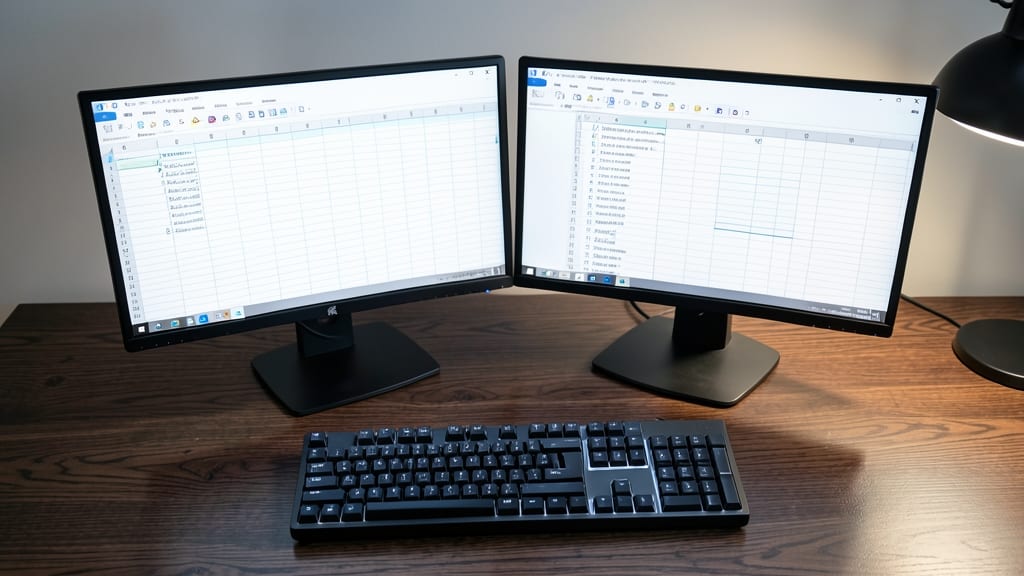
Tired of manually aligning columns in spreadsheets? The Tab key in Excel and Google Sheets is your secret weapon—simply press it to jump between cells while automatically formatting borders, alignment, and spacing.
This feature works in both desktop and web versions, saving time when building invoices, reports, or financial models. Need to move to the next row? Hit Shift + Tab to go backward. The best part? No extra clicks or formatting menus—just pure efficiency.
Perfect for accountants, project managers, or anyone who crunches numbers daily—this shortcut turns messy tables into polished data in seconds. ⚡
Alt F4 to Close Apps Instantly
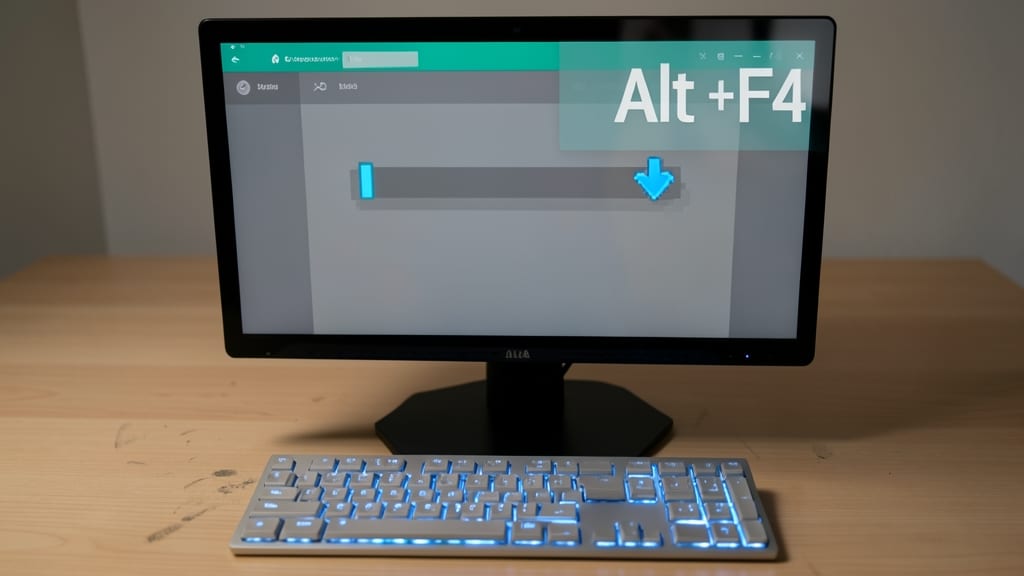
Stuck with a frozen app that refuses to respond? Alt + F4 isn’t just for closing windows—it’s the nuclear option for force-quitting stubborn programs without diving into Task Manager. Unlike Ctrl+Alt+Del, this combo skips warnings and shuts down the active window instantly, even if it’s hung.
Works on any open window (no need to right-click the taskbar), and it’s especially useful for gamers (kicking out laggy overlays) or IT support (clearing frozen apps during troubleshooting). Just hover over the problematic window, press Alt + F4, and confirm—no extra steps required. For developers, it’s the fastest way to reset misbehaving IDEs without losing unsaved work.
Windows power users swear by this as their first line of defense against unresponsive apps, cutting recovery time from minutes to seconds. Try it next time an app freezes—it’s the Ctrl+Alt+Del alternative you didn’t know you needed. 💪