
Troubleshooting
Posting too much online can have serious real-world consequences. From identity theft to job loss, these 10 dangers of oversharing on social media reveal why privacy matters more than ever in the digital age.
Identity Theft Through Personal Details
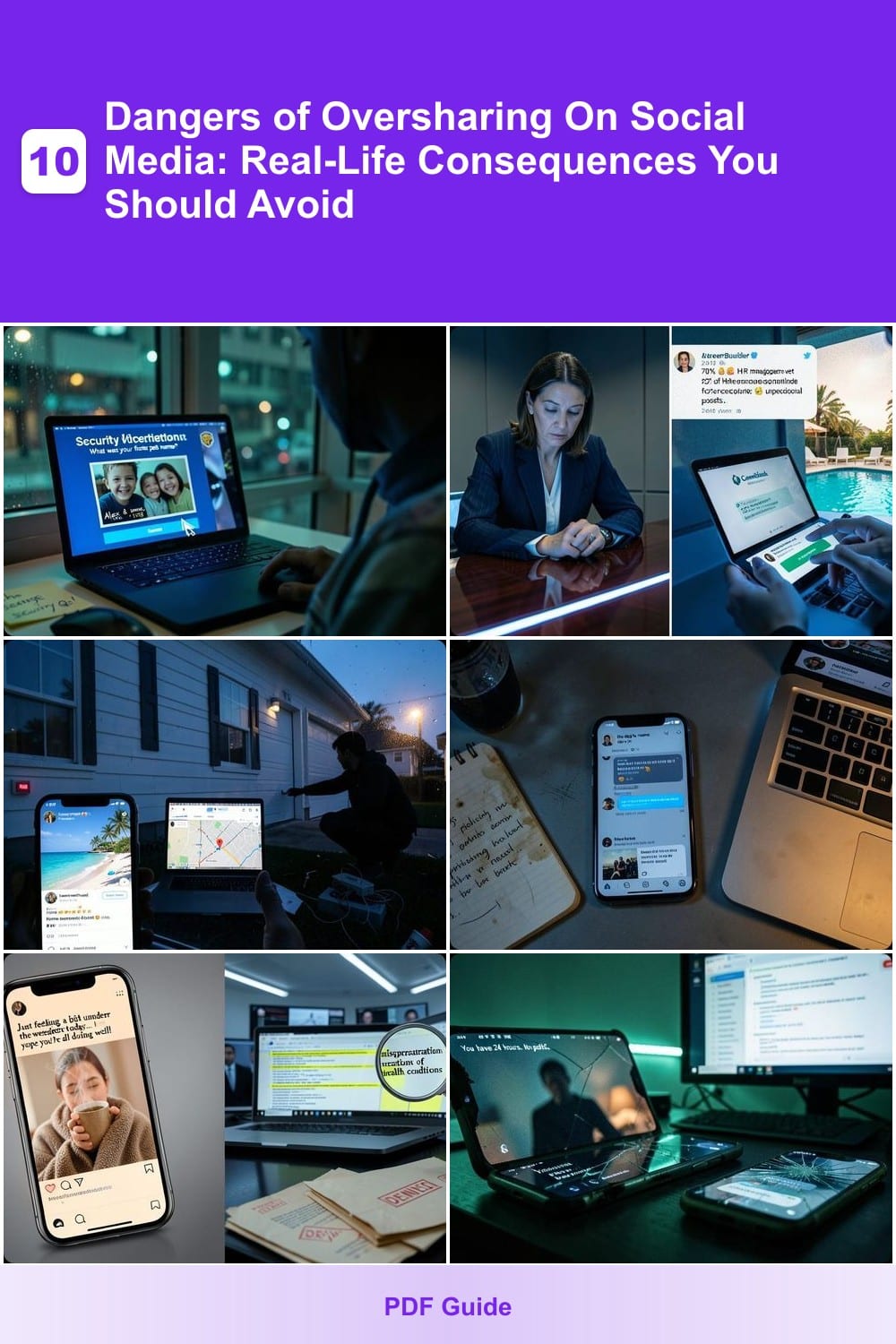
Your childhood best friend’s name, your high school mascot, or even your first pet might seem harmless—but scammers use these details to bypass security questions and hijack your accounts. A single overshared detail can be the key to unlocking your entire digital life, from emails to bank accounts.
Hackers exploit publicly available info (birthdays, hometowns, or even your favorite sports team) to reset passwords or answer security questions. For example, if your security question asks, "Where did you go to high school?" and you’ve posted it online, a scammer could easily guess the answer. Even pet names or nicknames from old posts can be used to verify identities.
This risk affects everyone—from casual social media users to professionals with sensitive data. Always assume your posts could be used against you. 💻
Job Loss From Inappropriate Posts
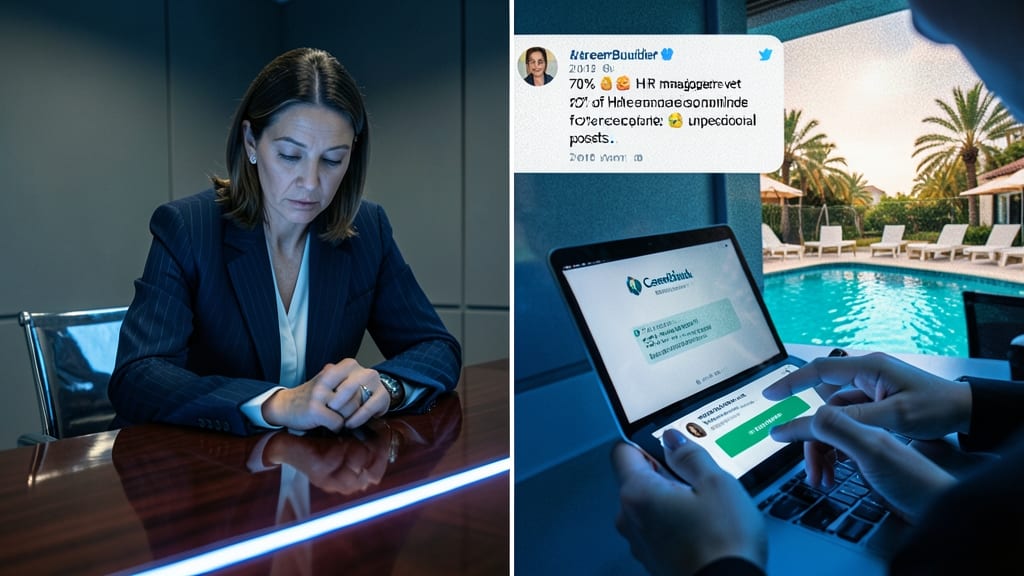
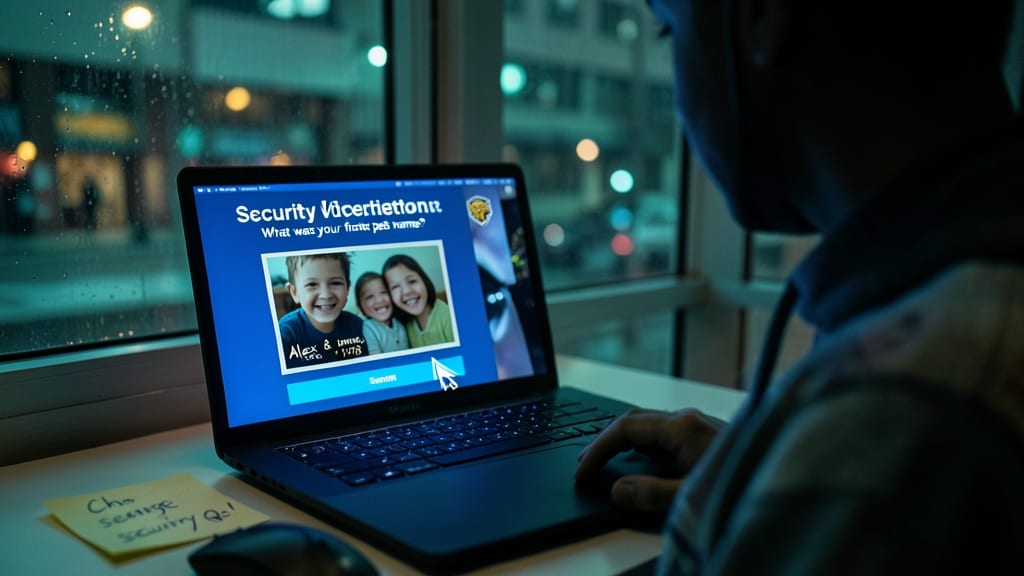
Your next job interview could hinge on a tweet from five years ago—or a vacation photo tagged with your current employer. A 2022 CareerBuilder survey found that 70% of HR managers use social media to vet candidates, and 57% have rejected applicants over posts they deemed unprofessional.
Even "private" posts aren’t safe: LinkedIn’s algorithm scans profiles for red flags, while recruiters often search Google Images for damning vacation snapshots. One viral meme or political rant can derail promotions, especially in conservative industries like finance or law. The damage isn’t just hypothetical—3 in 4 professionals report seeing colleagues penalized for oversharing.
Freelancers, remote workers, and entry-level candidates face the highest risk, as they lack the professional reputation buffer of tenured employees. A quick audit of your digital footprint could save your career before it starts. 💻
Location Tracking For Home Invasions
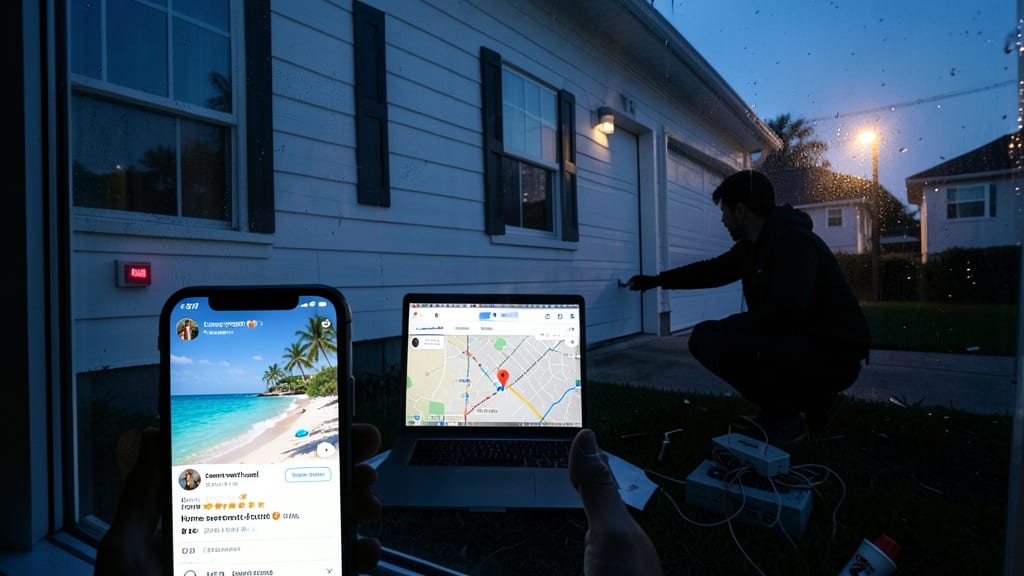
Burglars don’t need a key when you’ve just announced your empty house online. A simple "Home sweet home!" check-in or geotagged vacation photo reveals the perfect window for theft—your absence is all they need. Criminals use tools like Google Maps timeline or Facebook location history to track patterns, making your "safe" updates a security risk.
Most platforms enable location services by default, broadcasting your movements in real time. Even "private" posts can be scraped by third-party apps or shared accidentally. A 2023 FBI report found that 30% of home burglaries occurred after victims posted about being away. Disabling geotags and reviewing app permissions can close this gap—but many users overlook these settings entirely.
This risk isn’t just for homeowners: renters, travelers, or even pet owners (who post feed updates) are vulnerable. If you’re away for work, on vacation, or simply running errands, one careless post could turn your home into a target. 💻
Phishing Scams Using Shared Stories
Ever received a message from a "friend" you’ve never heard from before—yet they know your dog’s name, your favorite band, and even that inside-joke vacation photo you posted years ago? That’s not a coincidence. Scammers use overshared details to craft hyper-personalized phishing attacks, making their fake messages feel eerily real.
These scams often start with a fake "urgent" link—like a "broken" family video, a "leaked" password alert, or a "limited-time" deal from a brand you love. By referencing specific stories, photos, or even private conversations you’ve posted, hackers bypass basic security filters. Tools like email spoofing and deepfake voice cloning make these scams even harder to spot, with a 78% success rate when personal details are involved.
Parents sharing their kids’ school events, travelers posting vacation plans, or anyone who’s ever joked about their "secret" coffee order—everyone is at risk. Always verify senders manually, never click links in unexpected messages, and enable multi-factor authentication on all accounts. 💻
Insurance Fraud From Health Updates
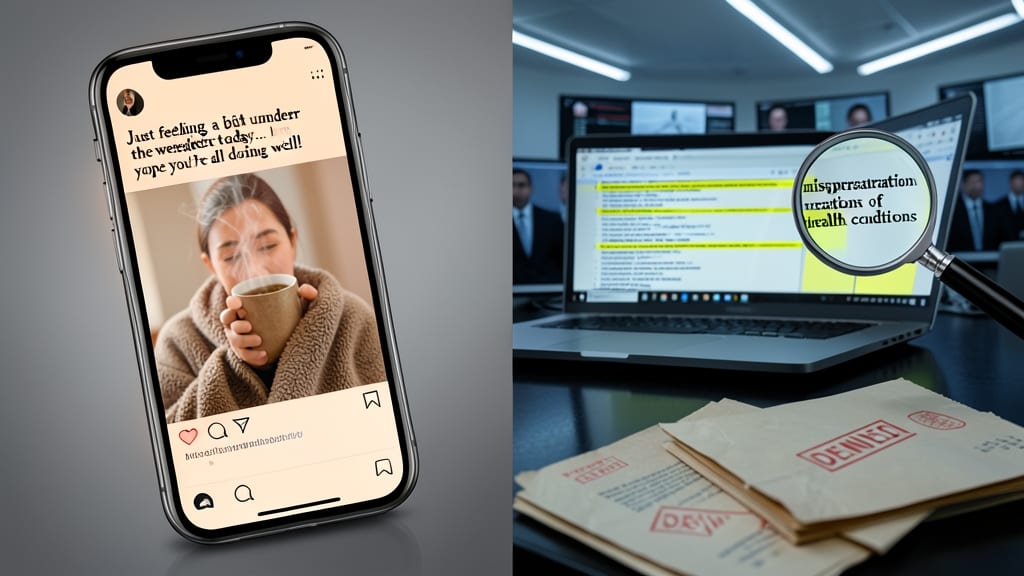
That casual "I'm feeling under the weather" post might seem harmless—but insurers are watching. Many policies explicitly state that misrepresenting health conditions (even unintentionally) can void coverage, and social media provides the perfect evidence for denials.
Insurance companies now monitor public profiles to cross-reference claims. A post about a back injury could trigger a denial for a future claim, while a mental health update might disqualify you from life insurance. Even vaccination status updates can impact policies tied to pre-existing conditions.
This risk isn’t just for individuals—small business owners with group health plans should be especially cautious. A single overshared detail could lead to denied claims or premium hikes. Think twice before hitting "post" when health is involved. 💻
Blackmail And Extortion Risks
One private photo or message shared online can become a digital weapon in the wrong hands. Criminals exploit oversharing to demand money, favors, or silence—turning your digital life into a high-stakes negotiation.
Victims often receive anonymous threats via encrypted apps or burner accounts, with demands like "$1,000 or your private photos go public." These schemes target celebrities, professionals, and everyday users alike, with no guarantees of privacy even after payment. Dark web forums trade stolen data, making recovery nearly impossible once exposed.
If you’ve shared anything compromising, delete old posts immediately and enable two-factor authentication on all accounts. 💻
Relationship Damage From Oversharing
Ever noticed how couples who seem perfect online can have explosive arguments offline? Posts about exes, flirting, or perceived infidelity trigger jealousy and distrust—turning digital footprints into real-world relationship crises.
Platforms like Instagram and Facebook track interactions, while Snapchat streaks or Tinder profiles left visible can spark accusations of secrecy. Studies show 63% of couples have argued over social media, with 30% admitting it damaged trust. Even "harmless" posts—like vacation photos with an ex—can reignite old wounds when algorithms resurface them.
If you’re in a relationship, audit your activity logs and enable two-factor authentication to limit access. For peace of mind, use private browsing or burner accounts for sensitive topics. 💻
Targeted Advertising And Privacy Loss
Ever notice how ads seem to follow you across the web like a digital shadow? That’s not a coincidence—it’s targeted advertising in action, powered by the data you willingly share. Every like, comment, and location check gets fed into algorithms that sell your habits to the highest bidder, turning your social media into a surveillance tool.
Platforms like Facebook and Instagram track your browsing history, purchase behavior, and even offline activity (thanks to cookies and device fingerprinting) to serve hyper-personalized ads. Worse, this data fuels price discrimination—hotels and airlines adjust rates based on your search history, while corporations use it for corporate surveillance in the workplace. The result? You’re not just seeing ads—you’re funding a system that profits from your privacy.
Small business owners and job seekers are especially vulnerable, as employers and competitors use this data to gain unfair advantages. The fix? Use private browsing modes, disable ad tracking in settings, and consider ad-blockers like uBlock Origin to reclaim control. 💡
Legal Consequences From Defamation
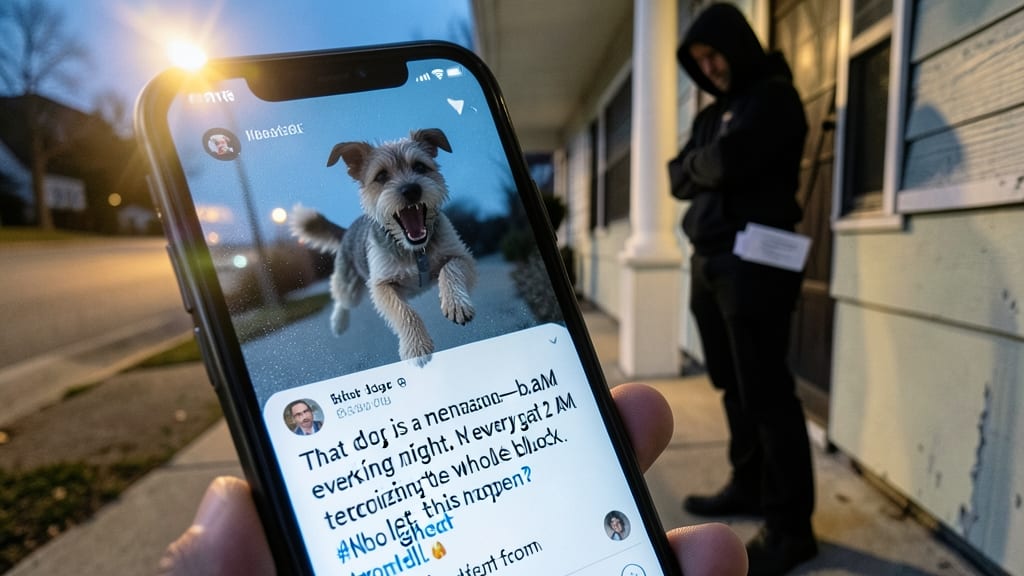
That angry tweet about your neighbor’s dog might seem harmless—but it could land you in court. Defamation laws treat false statements that harm someone’s reputation as serious offenses, and social media posts are no exception, even if you didn’t intend malice.
Libel (written defamation) carries heavier penalties than slander (spoken), and public figures (celebrities, politicians) face lower legal thresholds to sue. A single post could cost you $10,000+ in damages, plus legal fees. Even "jokes" or exaggerated claims can be interpreted as false statements if they damage someone’s reputation.
If you’re a public figure, small business owner, or community leader, your posts are under even stricter scrutiny. Think twice before hitting send—one viral post could change your life. ✨
Mental Health Decline From Comparison
Scrolling through perfectly curated feeds can leave you feeling like you’re falling behind—even when your life is perfectly normal. Studies show that excessive social media use correlates with increased anxiety, depression, and unrealistic self-comparisons, thanks to algorithms prioritizing highlight reels over reality.
Apps like Instagram and TikTok use AI-driven engagement metrics to amplify idealized content, creating a feedback loop where users chase validation through likes and followers. The dopamine hit from approvals rewires your brain to crave constant validation, while FOMO (Fear of Missing Out) spikes when you see others living what feels like "better" lives.
This isn’t just a mental health red flag—it’s a digital addiction with measurable consequences. If you notice yourself feeling inadequate after scrolling, try app timers (most platforms offer them) or curate your feed to follow accounts that inspire rather than compare. Your well-being matters more than metrics. ✨